Dec 22, 2025
Space Planning for Real Life (Not Instagram)
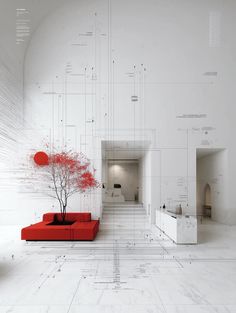
The Trap of Visual-Only Design A room that looks great in a photo but feels awkward to walk through is a failed design. We focus on spatial ergonomics, ensuring that the distance between your stove and your sink—or your sofa and the TV—is calculated for comfort, not just "the shot".
Analyzing Your Daily Rituals We start every project by challenging how you actually live. Do you host large dinners? Do you work from home? We plan the room flow around your habits, making sure your home supports your lifestyle rather than forcing you to adapt to a stiff layout.
Storage as a Design Feature Clutter is the enemy of luxury. We design custom cabinetry and "hidden" storage solutions into the very fabric of the build. By planning storage during the interior construction phase, we make sure every item in your life has a home, keeping your space clean and calm.
The Psychology of Proportions A massive sofa in a small room feels claustrophobic; tiny furniture in a large hall feels cold. We use precise measurements to find the "Goldilocks" scale for every piece, ensuring the architecture and the furniture are in perfect balance.
Flexibility for the Future Life changes, and your home should too. We look for ways to make spaces multi-functional—like a guest room that doubles as a high-end office. We plan for the long-term, ensuring your bespoke layout remains useful as your family grows or your needs shift.
Lighting as a Spatial Tool Good space planning includes where the light falls. We position windows and artificial lighting to define different "zones" within an open-plan home, creating a sense of intimacy even in large, airy spaces.
Homes Built for Humans At the end of the day, we aren't building a gallery; we’re building a sanctuary. By prioritizing functional design over vanity, we create homes that don't just "speak" to you—they work for you.